
The Eight Nights of Chanukah
Chanukah, also known as the Festival of Lights, is an eight-day Jewish holiday that celebrates the rededication of the Second Temple in Jerusalem following the victory of the Maccabees, a small group of Jewish fighters, over the powerful Syrian-Greek army in the 2nd century BCE. According to the story, the Maccabees' triumph was both a spiritual victory, restoring Jewish worship in the Temple after years of oppression.
The Miracle of the Oil
The miracle of the oil refers to the Temple's menorah, when there was only enough olive oil to last for one day, but miraculously it burned for eight days. To celebrate this miracle, we light candles on a Hanukkiah each night of the festival, adding one flame until all eight glow.
Chanukah is a time for joy and gratitude, celebrated with songs, games like spinning the dreidel, and traditional foods such as latkes and sufganiyot, both fried in oil to recall the miracle that inspired the holiday.
🥔Traditional Foods Made Vegan
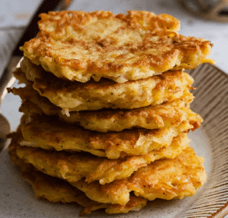
Latkes
Chanukah latkes are fried potato pancakes, often made with eggs to bind them together. Vegan versions use aquafaba or flaxseed "eggs" to achieve the same crisp texture without animal products. This swap avoids supporting the egg industry. Additionally, potatoes, onions, and plant oils have a far smaller carbon footprint than eggs and dairy, making vegan latkes compassionate and sustainable.
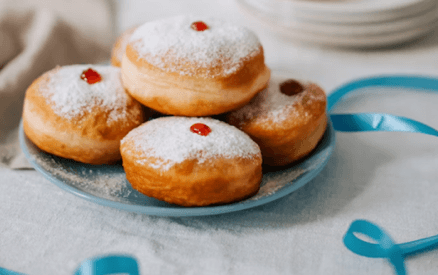
Sufganiyot
Chanukah sufganiyot (doughnuts) are often full of butter and eggs, while plant-based versions use soy or oat milk, vegan butter, and baking powder for fluffiness. The halakhic significance of doughnuts is being fried in oil; this means that a plant-based doughnut is equally as meaningful. These substitutions eliminate animal suffering and reduce greenhouse gases.
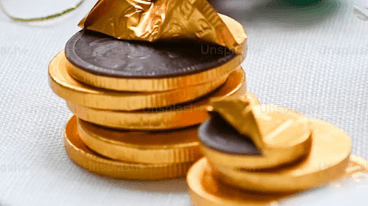
Gelt
Gelt (chocolate coins) is a sweet traditional food, sometimes made with milk chocolate which is used when playing dreidels. Choosing dairy-free gelt prevents the exploitation of dairy cows and reduces the environmental toll of milk production. Plenty of Chanukah gelt is pareve, making this an easy compassionate choice.
✡️Chanukah Traditions
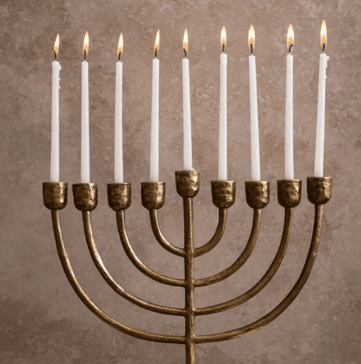
The Hanukkiah
The hanukkiah symbolises the miracle of the oil in the Second Temple, when there was enough olive oil for one night, but instead lasted for eight. This story highlights olive oil as both a sacred and sustainable resource. Jewish vegans embrace this symbolism by choosing plant-based oils or waxes for lighting, out of traditional respect for natural resources and modern ethical values.
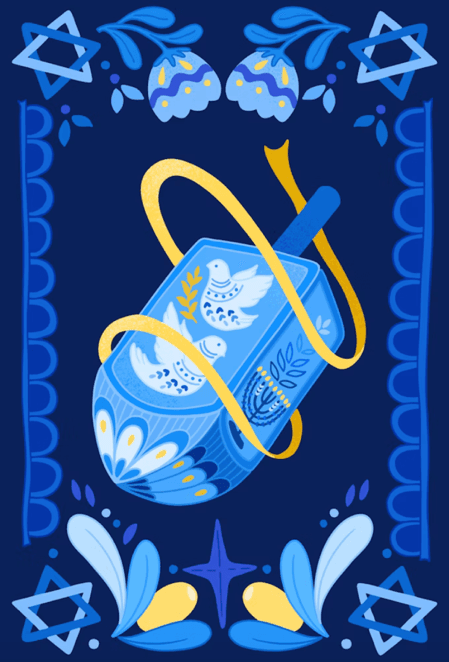
The Dreidel Game
The dreidel game, historically linked to Jewish perseverance under oppression, is profound. The Hebrew letters nun, gimel, hei, and shin form an acronym for "A great miracle happened there", referencing the miracle of the lasting oil in the temple. When playing the dreidel game, choosing plant-based gelt honours the Jewish principles of ethical eating and sustainability.

🎵 Chanukah Music
Chanukah's music spans ancient prayers, traditional folk songs, and modern classics, all celebrating light, community and renewal. After lighting the hannukiah, songs like Hanerot Halalu and Ma'oz Tzur are sung to remember the miracles and victories of the Maccabees, while the prayer Al HaNissim is added to the Amidah and Birkat HaMazon in gratitude. Folk songs such as Sevivon Sov Sov Sov, Mi Yimalel, and Yemei HaChanukah are popular at home and community gatherings. Yiddish and Ladino pieces like Oy Chanukah and Ocho Kandelikas reflect the diversity of Jewish life across generations and cultures.
💚Key Jewish Values
Tzedakah
Giving tzedakah during this season reflects our ethical values and our hopes for a more compassionate and just world. When we give our time and money to important causes, we ought to consider supporting impactful organisations which align with Jewish values like tikkun olam (repairing our world) and tza'ar ba'alei chaim (kindness to animals).
Tza'ar Ba'alei Chayim
This principle calls us to prevent unnecessary suffering to animals. Choosing plant-based foods during this holiday allows us to respect the Jewish value of compassion to other living beings, whilst still celebrating our heritage and traditions.
Tikkun Olam
Tikkun olam (repairing the world), encourages us to take action for social justice and the environment. Opting for plant-based foods, reducing waste, supporting ethical businesses and volunteering are all ways to make a positive impact.
Gemilut Chesedim
Acts of gemilut chesedim (loving-kindness) can manifest in many ways during Chanukah - not only in the way we act towards others, but in choosing to eat compassionately towards the planet and other living creatures.
Baal Tashchit
Baal tashchit reminds us not to be wasteful. Mindful consumption, avoiding food waste, thoughtful gift-giving and choosing sustainable and plant-based foods are all ways to celebrate Chanukah responsibly while protecting the planet.
👩🍳Vegan Chanukah Recipes
Discover a varied & yummy selection of vegan recipes for Chanukah, all available on the JVS website!