Industrialisation and rising wages have led many populations to shift toward diets higher in animal-sourced foods. This global change has put increasing pressure on food production systems and contributed to environmental and public health challenges. As demand grows alongside population growth and limited land, the livestock sector has had to seek additional resources to maintain high levels of animal-sourced food production. At the same time, global meat production has grown much faster than cereal production, while overall agricultural productivity has declined due to land degradation, water insecurity and climate change. The consequences are serious: global malnutrition has increased significantly in recent years, partly due to how food is distributed and how edible crops are used.
One major issue is how global crops are allocated. A large share of the calories produced by crops is used as animal feed, yet only a small fraction of those calories ultimately return to humans through animal products. Diets that rely heavily on animal foods therefore use far more resources per person than plant-based diets. Because animal agriculture is the largest human use of land, growing crops for feed rather than direct human consumption represents a major inefficiency. If more crops were consumed directly by people instead of being fed to livestock or used as biofuels, the global food supply could increase substantially, potentially feeding billions more people. Achieving this, however, would require a significant reduction in demand for animal products in wealthier regions such as the Global North.
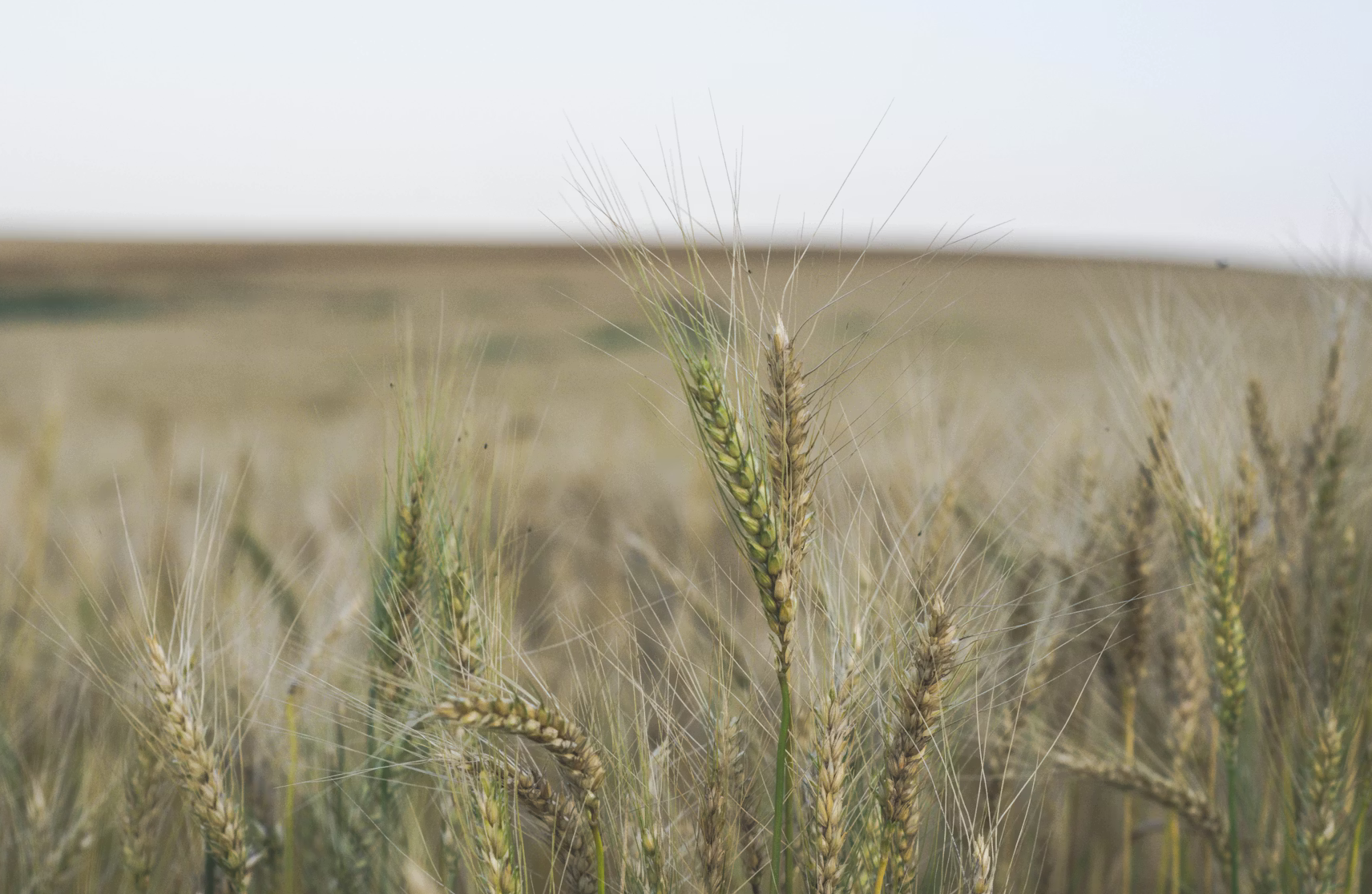
The UK illustrates this dynamic. The population consumes one of the highest levels of animal-sourced foods globally, and the country often presents itself as largely self-sufficient in animal product production. Yet this self-sufficiency is somewhat misleading. Although most animal products are produced domestically, the system depends heavily on cereals used as livestock feed. In 2024 the UK produced over 19 million tonnes of cereals, but more than 30 million tonnes of animal feed were purchased, much of it imported. In addition, livestock and feed production already occupy the vast majority of UK agricultural land. This means the UK livestock sector relies significantly on global feed supplies and contributes to the growing international demand for cereals used for animal feed.
Research has shown that the cereals currently grown in the UK to feed livestock could produce billions of loaves of bread and bowls of porridge each year if redirected for human consumption. This is notable in a country where millions of children still experience food insecurity. While grains alone cannot meet all nutritional needs, a larger and cheaper supply of staple carbohydrates would reduce household food costs and free up income for fruits, vegetables and other nutritious foods. In a future where animal products are consumed less frequently and staple foods are cheaper; households might be better able to adopt largely plant-based diets.
For such redistribution to occur, two conditions are necessary. First, policymakers must recognise the potential benefits of allocating more crops directly to human consumption. Second, public demand for animal-sourced foods would need to decline. Reducing demand in the UK would also lessen the need for imported animal feed, easing pressure on global cereal production. Furthermore, the significant funds currently spent on importing feed could instead support domestic crop production, which has faced increasing challenges in recent years.
Overall, the UK’s dietary patterns and agricultural systems are closely connected to global food distribution and resource use. High demand for animal products contributes to inefficient use of crops and increased pressure on global food systems. Shifting toward lower consumption of animal-sourced foods alongside policy changes that prioritise crops for direct human consumption could improve food availability both domestically and globally. Such changes would not only support the case for largely plant-based diets in early childhood but also contribute to a more equitable and sustainable global food system.