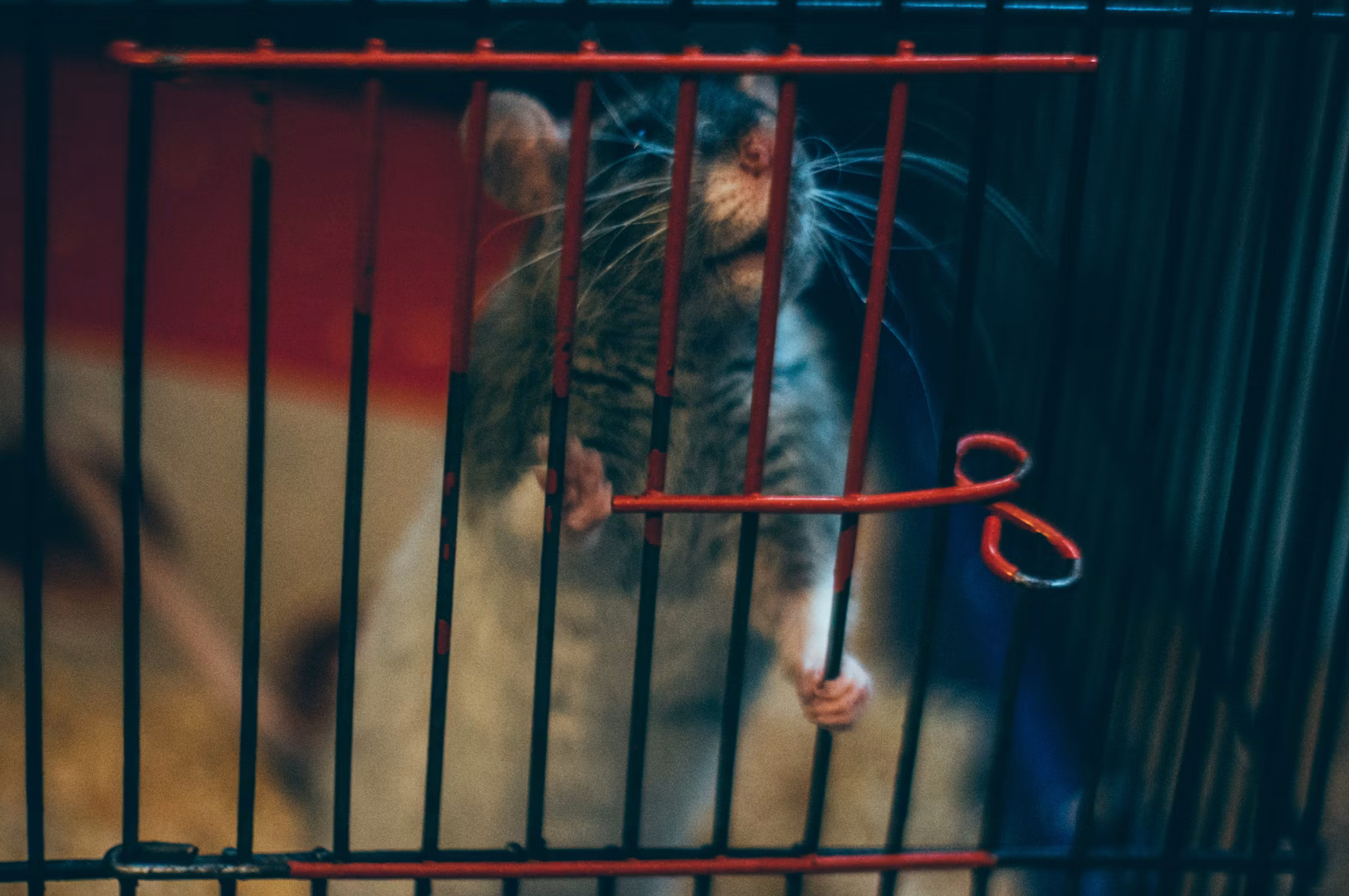
The reality of animal testing in the UK today is a good reminder of just how far we have to go to align our scientific practices with morality. The latest laboratory data brings a painful truth to light, despite overwhelming public opposition, millions of animals are still subjected to testing in the UK every single year.
When we look at the legal framework, it becomes clear that our current laws are failing the creatures they claim to protect. In the UK, animal testing is regulated by the Animals (Scientific Procedures) Act 1986 (ASPA). Under this act, any living vertebrate is technically classified as a "protected animal." However, in practice, this label means next to nothing. This categorised "protection" does not prevent these sensitive creatures from being subjected to procedures identified as mild, moderate, or even severe.
Furthermore, while the law grants "special protections" to horses, cats, dogs, and non-human primates, this is largely a bureaucratic shield rather than a moral or evidenced-based consideration. In reality, this “special protection" means researchers must argue successfully that no other species is suitable for the experiment. This loophole means that thousands of sentient, highly intelligent beings are still bred, caged, and tested on every year. Many are subjected to long lasting, severe pain and exploitation with no hope of ever being freed.
Before any project licence is granted, researchers perform what is called a ‘harm-benefit analysis’. This process is meant to weigh the potential human benefit against the animal's suffering. When a researcher asserts that a project’s potential human benefit is high enough, the law permits animal suffering of any severity level.
This is a profound ethical failure; these conscious individuals are capable of experiencing joy, fear, companionship, and pain. When confined to barren laboratory cages, dosages of toxic chemicals, or surgical alterations them is a fundamental violation of their basic rights, regardless of whether a human benefit is predicted.
Great Jewish scholars, including Rabbi Avraham Yitzhak Kook (the first Chief Rabbi of pre-state Israel), warned that causing pain to animals desensitises the human soul. When we harm other living beings, we reduce our own capacity for empathy. In today’s world, we also know that this suffering is scientifically unnecessary. Since animal models are often highly unreliable predictors of human drug safety, relying on them actually puts human lives at risk. Fortunately we have superior, non-animal methods of testing available to us, meaning exploiting sentient beings is not "necessary" for human health. Therefore, continuing to use animals directly violates the sacred biblical prohibition of Tza'ar Ba'alei Chayim which mandates us to never cause unnecessary pain to any living creature. Ultimately, if we wish to cultivate a society of kindness, we must extend our circle of compassion to the laboratories.