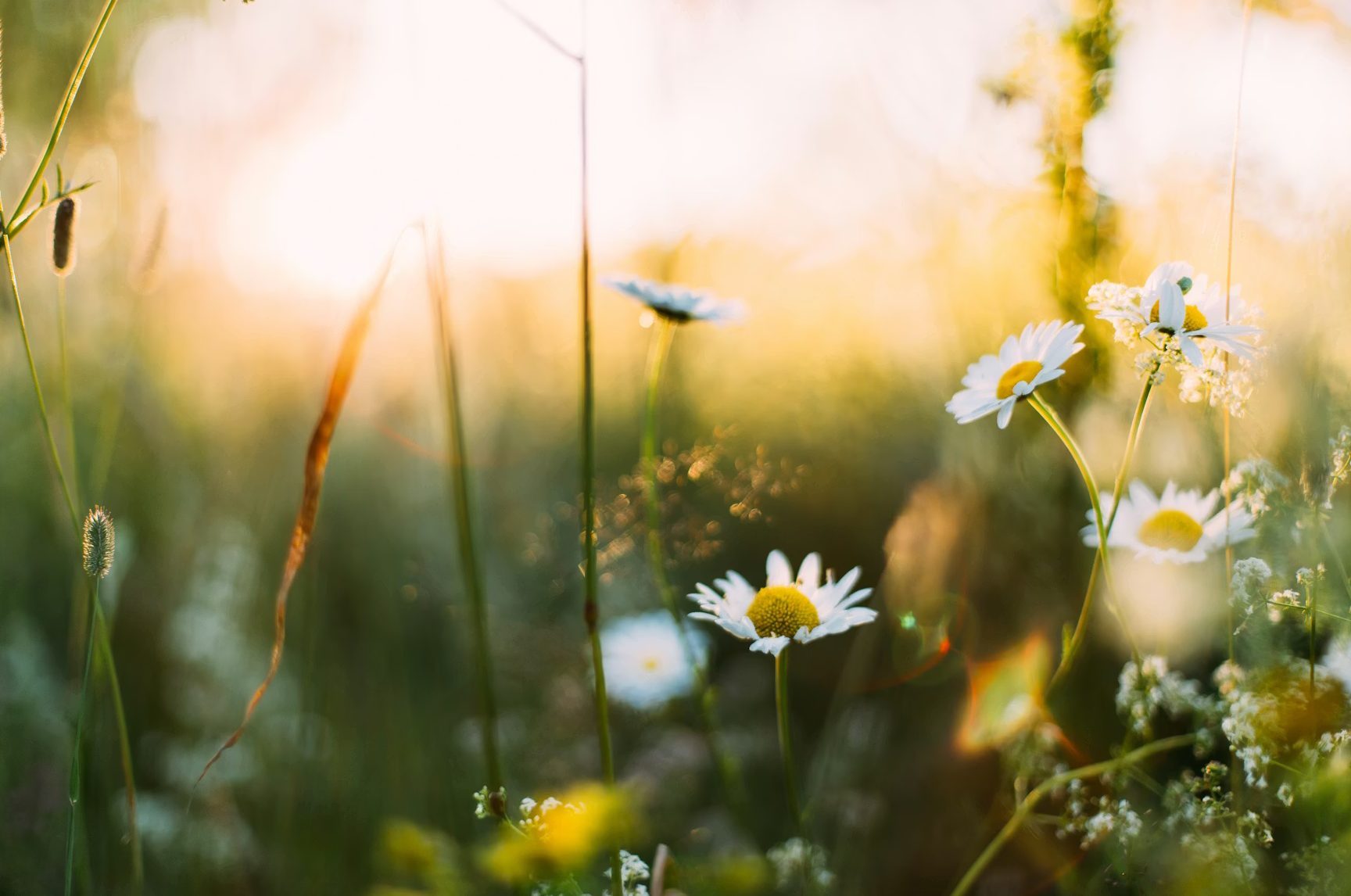
Spring holds powerful symbolic meaning throughout Jewish literature and tradition, representing renewal, redemption, and spiritual awakening. Jewish texts frequently draw upon the natural transformation of the season to illustrate themes of freedom, Godly love, and hope for the future.
One of the most significant associations with spring is found in the story of the Exodus. The Israelites’ departure from Egypt occurred during the Hebrew month of Nisan, referred to in the Torah as Chodesh HaAviv, or the month of spring. This timing emphasises national rebirth, mirroring the earth’s emergence from winter dormancy into vibrant life. The transition from enslavement to liberation parallels the seasonal shift from cold and darkness to warmth and growth.
The imagery of spring is also prominent in the Song of Songs, traditionally attributed to King Solomon. This poetic text uses blossoming landscapes and the end of winter as metaphors for love and divine connection. Descriptions of blooming flowers and returning life symbolise the enduring relationship between God and the Jewish people.
Additionally, spring marks the beginning of important agricultural cycles in ancient Israel, including early grain harvests and the maturation of fruit trees and vineyards. These seasonal changes inspired rituals such as the Omer offering, expressing gratitude for agricultural abundance. The blooming of trees also inspired the blessing known as Birkat HaIlanot, which acknowledges divine creativity and the promise of renewal.
Spring imagery in Jewish writings symbolises transformation and spiritual renewal. Through the Exodus narrative, poetic expressions in the Song of Songs, and agricultural rituals, this coming season reflects themes of freedom, divine connection, and gratitude for life’s continual cycles. By linking natural renewal with religious meaning, Jewish tradition highlights the enduring hope for redemption and growth, both for the Jewish people and for humanity as a whole.