Climate change is only getting worse, and it is affecting animals locally and around the world. The RSPCA has an important role in playing in helping to address the effects of climate change in policy and practice.
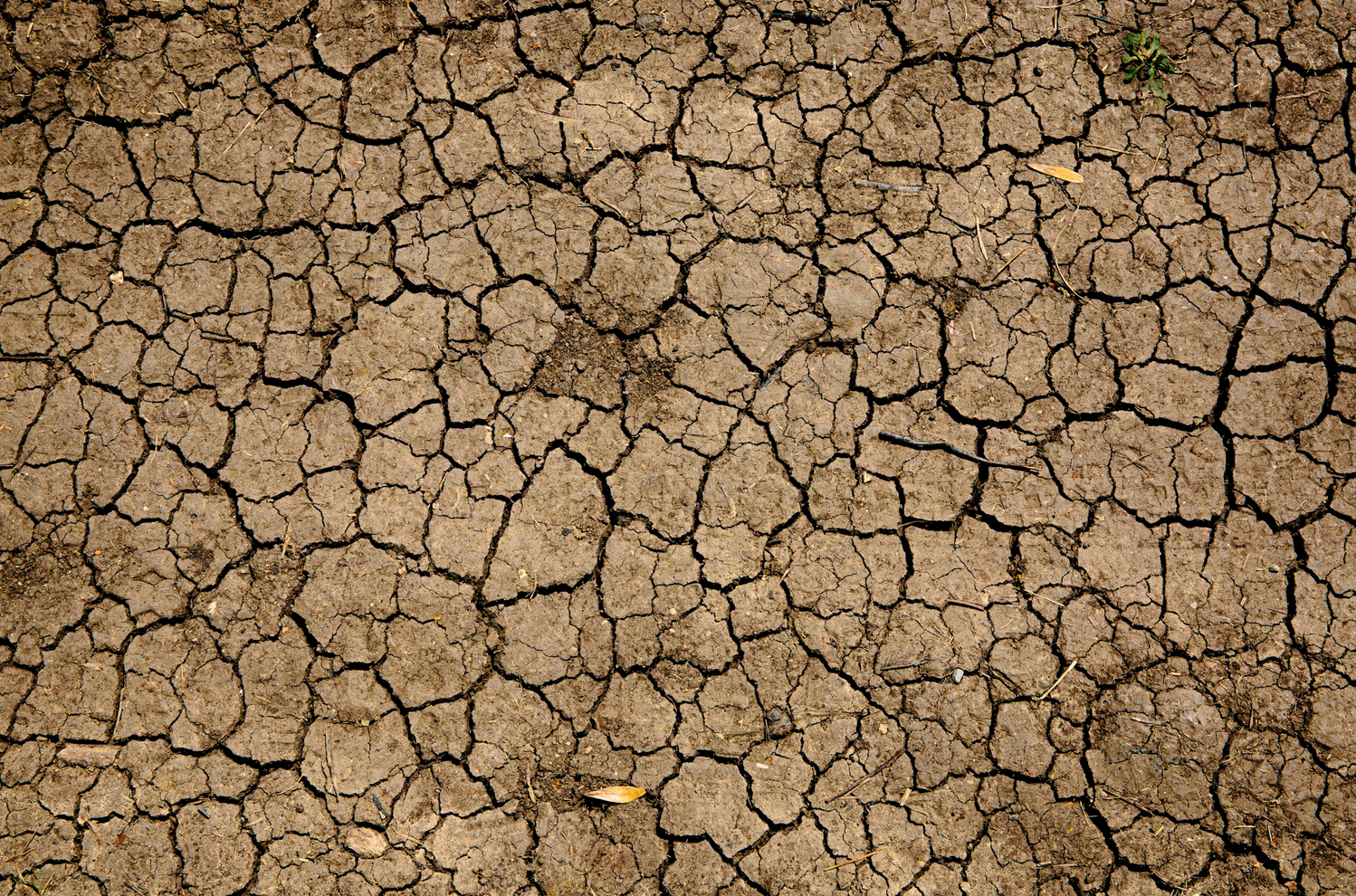
Already today we face a five-fold increase, compared to 50 years ago, in climate and weather-related natural disasters such as droughts, wildfires, and hurricanes. These disasters cause catastrophic loss of life and habitat for people, pets and wildlife. Australia’s Black Summer bushfires (2019-20), for example, burned 186,000 square kilometres (72,000 square miles) and are estimated to have killed or displaces three billion koalas, kangaroos and other animals. In 2023, wildfires raged through Greece, devasting countless people and animals. Many animals were trapped and burned, and biodiversity loss was a major concern. The fires burned nearly 50,000 hectares of fires and vegetation, decimating wild habitats. In addition, in just one month, the fires emitted 3.5 million tonnes of CO2.
An environmental expert has warned that the third predicted heatwave across the country will add stress to animals, plants, and insects. Birds, in really hot weather, will fly less, which means they are not accessing food, not hydrating properly, which weakens them and cause disease and mortality. Food being produced early, due to climate change, could also impact endangered species like dormice, who rely on certain foods like tree nuts and berries to eat in autumn.
Heatwaves, droughts, floods and storms increasingly put animals at risk of being displaced, abandoned or endangered. There are actions we can take to help animals overseas; going vegan to help protect wild habitats in one example to help those closer to home. As Dr Marc Cooper, the Head of Farm Animals at the RSPCA states: ‘there is an interdependence between animal welfare and climate change. Therefore, taking better care of animals is also taking care of the environment. We advocate an ‘eat less, eat better’ approach. This means eating less animal products and only opting for higher welfare choices if choosing to consume them’.
Overall, climate change poses a serious and growing threat to animals across the globe, from wildlife losing their habitats to pets and farm animals suffering from extreme weather. Organisations such as the RSPCA play a role in protecting animals through advocacy, rescue, and promoting more sustainable and humane practices. However, responsibility does not lie with charities alone. Governments, industries, and individuals must all take action to reduce emissions and make more ethical choices regarding the food we consume. By addressing climate change now, we can help protect animals, preserve biodiversity, and create a safer, more sustainable future for all living beings.